
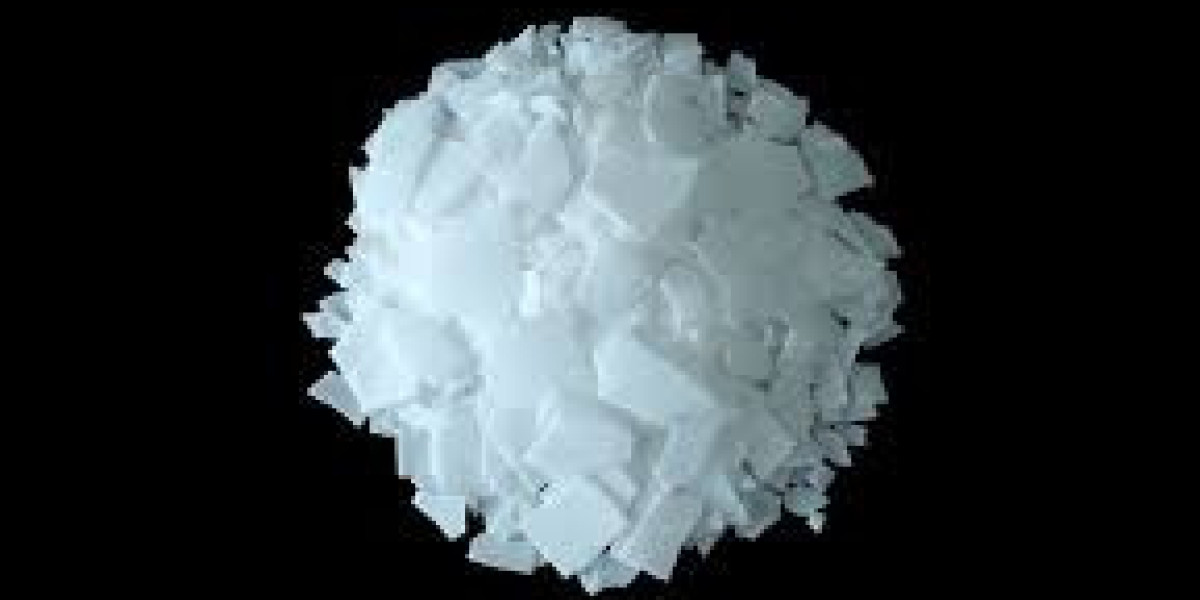
The Polyethylene Wax Market is heavily influenced by supply and demand trends, which determine production levels, industrial adoption, and market dynamics globally. Polyethylene wax, widely used in plastics, coatings, adhesives, and printing inks, enhances surface finish, thermal stability, and processing efficiency. Understanding supply chain dynamics, production capacities, and industrial demand is essential for manufacturers, investors, and stakeholders to optimize operations, develop strategic plans, and maintain profitability. Monitoring these trends provides insights into market growth, emerging opportunities, and challenges across global regions.
Supply Trends
Supply trends in the polyethylene wax market are shaped by raw material availability, production capacities, and technological capabilities. Petroleum-based feedstocks remain the primary source, and fluctuations in raw material prices impact production costs. Manufacturers are investing in advanced polymerization techniques, molecular weight control, and particle size optimization to improve efficiency and output. Strategic procurement of raw materials, diversified sourcing, and enhanced production methods help stabilize supply, meet industrial demand, and maintain consistent product quality. Understanding supply trends is critical for ensuring operational continuity and supporting global market growth.
Demand Patterns
Demand for polyethylene wax is driven by industrial requirements in plastics, coatings, adhesives, and printing inks. Growth in automotive, packaging, electronics, and industrial machinery sectors further supports adoption. Regional demand patterns vary: Asia-Pacific leads in volume consumption due to industrialization and infrastructure development, while North America and Europe emphasize premium, high-performance, and sustainable wax products. Latin America and Africa are emerging markets with growing industrial applications. Monitoring demand patterns helps manufacturers adjust production, target specific markets, and optimize product offerings for maximum adoption.
Regional Supply and Demand Dynamics
Regional supply and demand dynamics influence market strategies and profitability. Asia-Pacific’s high consumption is supported by regional production facilities and strong manufacturing infrastructure. North America and Europe focus on high-quality, specialty waxes, requiring advanced technological capabilities. Latin America and Africa represent growth opportunities where cost-effective supply, localized distribution, and tailored products can capture market share. Understanding regional dynamics enables manufacturers to balance production, inventory management, and distribution, ensuring alignment with industrial demand and maximizing revenue potential.
Impact of Technological Advancements
Technological advancements in production and formulation directly affect supply and demand trends. Advanced polymerization, particle size control, and viscosity optimization allow manufacturers to produce specialized waxes that meet industrial performance standards. Automation and digital monitoring improve production efficiency, reduce waste, and support consistent quality. Technology-driven improvements help manufacturers respond to increasing industrial demand, develop innovative products, and maintain supply chain reliability. These advancements strengthen competitiveness and support long-term growth in the global polyethylene wax market.
Market Challenges
Despite growth opportunities, supply and demand trends face challenges. Raw material price volatility, supply chain disruptions, and fluctuating industrial demand can impact production and revenue. Manufacturers must implement efficient procurement strategies, inventory management systems, and operational risk mitigation measures. Adapting to regulatory changes and meeting regional compliance requirements are essential for ensuring uninterrupted supply and consistent market presence. Addressing these challenges allows stakeholders to maintain profitability and sustain global market growth.
Strategic Growth Opportunities
Supply and demand trends reveal strategic growth opportunities for manufacturers and investors. Expanding production capacities in high-demand regions, introducing specialized and sustainable products, and optimizing distribution networks enhance industrial adoption. Emerging sectors such as automotive coatings, packaging solutions, electronics, and industrial machinery present additional revenue streams. Strategic alignment of supply capabilities with demand patterns allows companies to maximize market penetration, strengthen global presence, and achieve long-term profitability in the evolving polyethylene wax industry.
Future Outlook
The polyethylene wax market is expected to grow steadily, guided by evolving supply and demand trends. Technological innovation, regional industrial growth, and emerging applications will continue to shape market dynamics. Manufacturers focusing on supply chain efficiency, tailored product offerings, and strategic expansion are likely to capture growth opportunities effectively. Understanding global trends, regional variations, and industrial requirements will enable stakeholders to make informed decisions, optimize market strategies, and ensure sustainable competitiveness in the global polyethylene wax industry.